A Guide to Wildlife Control: Key Strategies and Dead Animal Removal Services
Wildlife control encompasses strategies designed to manage animal populations and guarantee safe environments. Recognizing the effects of typical wildlife intruders is crucial for property owners. Effective prevention methods can greatly reduce the risk of wildlife intrusions. Moreover, the swift elimination of dead wildlife is paramount for community health and well-being. However, many remain unaware of the key elements involved in effective wildlife control and the importance of professional services. What measures can be implemented to protect households and neighborhoods?
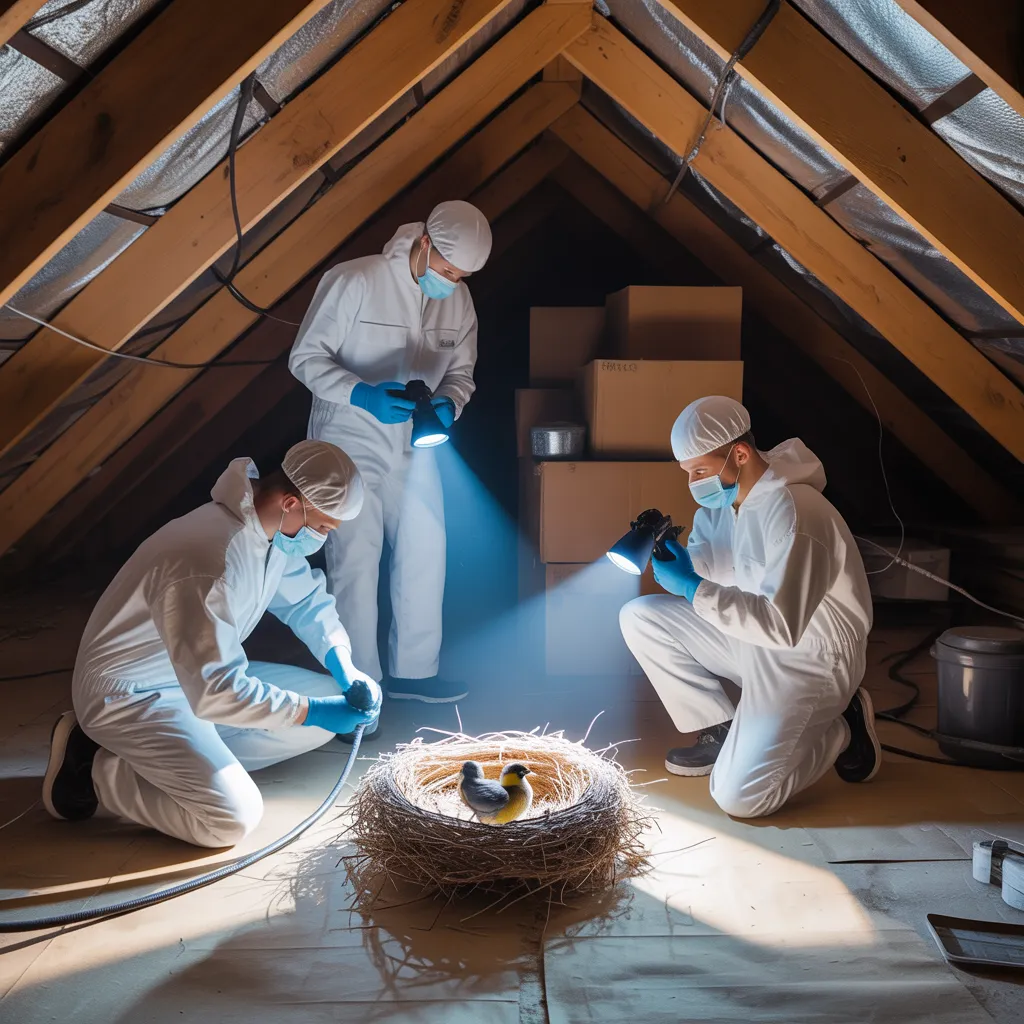
What Is Wildlife Control and Why Is It Essential?
Wildlife control encompasses a variety of methods focused on controlling animal populations and how they interact with human settings. This approach is essential for balancing ecological systems and minimizing conflicts between wildlife and people. Effective wildlife control helps safeguard public health by minimizing the threats connected to zoonotic illnesses, which have the potential to pass from animals to humans.
Moreover, it safeguards agricultural interests by addressing wildlife that endangers agricultural resources. By implementing ethical techniques, wildlife control supports harmonious living, ensuring that both human needs and animal welfare are prioritized.
Furthermore, it acts to protect ecological diversity by managing invasive species that can damage local ecosystems. Ultimately, animal control is critical not only for boosting safety and decreasing property damage but also for encouraging a harmonious relationship between humans and the natural world.
How Frequent Wildlife Intruders Harm Your Home
Common wildlife intruders present serious threats to residential properties, leading to structural damage that can compromise integrity. They can also contaminate insulation, producing harmful conditions for those living inside. Additionally, the presence of these animals raises electrical hazard concerns, as they may chew through wires, heightening the likelihood of dangerous fires.
Structural Damage Risks
The occurrence of wildlife pests can cause considerable structural deterioration in homes. Animals such as raccoons, squirrels, and rodents often exploit weaknesses in home exteriors, forming access points that weaken structural stability. Raccoons, for instance, can tear off roofing materials and damage insulation, while squirrels often chew through electrical cables and timber beams, elevating the danger of fire-related incidents. Furthermore, tunneling animals can destabilize foundations by creating tunnels, exacerbating the potential for collapse. Over time, these breaches can allow moisture to enter, causing mold proliferation and timber deterioration. Residents ought to be watchful for indicators of animal intrusion to avert costly damage and secure the safety and longevity of their properties. Prompt intervention is essential to mitigate these risks.
Insulation Contamination Problems
Insulation functions as a critical shield against temperature changes, but it can quickly be undermined by encroaching creatures. Animals such as mice and raccoons can destroy insulation materials, forming openings that enable deeper access into residential structures. Their nesting habits often result in soiling the insulation with droppings, urine, and other debris, resulting in widespread contamination. This not only diminishes the insulation's effectiveness but also poses health risks due to potential exposure to harmful pathogens. Furthermore, decomposing animal remains can produce foul odors and draw in additional pests. Property owners should tackle insulation contamination quickly to preserve both energy performance and indoor air quality, emphasizing the importance of effective wildlife control and remediation measures.
Electrical Hazard Concerns
How do wildlife intruders contribute to electrical hazards in homes? Everyday wildlife intruders, like rodents and birds, are capable of causing serious harm to electrical systems. Rodents especially are notorious for chewing through wires, leading to exposed conductors and the risk of short circuits. This not only poses a fire risk but also increases the chances of electrical shock for homeowners. In addition, nesting materials left by birds can clog ventilation systems or collect near electrical panels, significantly raising fire hazards. Beyond this, wildlife can bring moisture into the home through burrows or droppings, fostering conditions that promote corrosion and electrical failure. Addressing these risks through effective wildlife control and regular inspections is essential to maintaining a safe living environment.
How to Spot Signs of Wildlife Around You
Identifying signs of wildlife presence is essential for efficient mitigation methods. Common indicators include prints, characteristic sounds, and peculiar scents that can indicate the presence of unwanted wildlife. Recognizing these signs early can assist in preventing harm to your property.
Common Wildlife Tracks
Many outdoor enthusiasts find that recognizing common wildlife tracks is essential for gaining insight into local ecosystems. Prints differ among species, featuring unique shapes and dimensions. As an illustration, the tracks of deer appear heart-shaped, while the prints of raccoons resemble a human hand with extended fingers. Tracks from canines like coyotes tend to show an oval form with clearly defined claw marks. Examining the distance between prints can offer valuable hints about the creature's size and pace. Additionally, identifying claw marks can help differentiate between species; as an example, bobcat prints are characterized by an absence of visible claw marks, in contrast to those of a dog. Grasping these nuances supports wildlife observation and conservation initiatives, deepening one's appreciation of the natural world.

Sounds and Odors
Recognizing wildlife existence often goes further than visible signs like trail markings; noises and smells play significant roles as well. Noises such as disturbances in the undergrowth, scratching in walls, or nighttime chattering can indicate animals searching for food or refuge. Each species produces distinct sounds, assisting in pinpointing the likely animals involved. Odors, too, provide critical clues. A stale scent may indicate a concealed wildlife nest, while a foul odor could reveal a dead animal nearby. Identifying these sensory signs empowers homeowners to respond without delay. By keeping watchful to both noises and odors, residents can effectively assess wildlife existence and implement proper containment actions before the problem worsens.
Wildlife Prevention: Reliable Strategies for Blocking Unwanted Animal Intrusions
Stopping wildlife intrusions requires a strategic approach that combines knowledge of wildlife behavior with effective deterrent techniques. Homeowners are advised to initially explore here assess vulnerable entry areas, such as holes in walls, overhead spaces, or underground sections, and fill them in to remove any means of entry. Consistent upkeep of the premises, including cleaning up debris and securing trash, can discourage wildlife in search of nourishment.
In addition, incorporating natural repellents like motion-activated lights or sound devices can prevent unwanted wildlife. Landscaping selections also make a difference; planting native species and keeping a clean yard can minimize appeal for different species. Teaching residents about regional wildlife patterns improves awareness and encourages proactive steps.
The Significance of Professional Wildlife Control Services
When wildlife disturbances go beyond what homeowners can manage on their own, professional wildlife management services become a necessary solution. These dedicated services provide knowledge in detecting and resolving numerous wildlife concerns, providing both protection and conformity with local laws. Certified experts apply humane trapping approaches and exclusion practices to reduce the effect on surrounding ecosystems while successfully addressing wildlife conflicts.
Additionally, these professionals often deliver thorough assessments of properties to identify potential weak points that may attract future intrusions. By leveraging sophisticated tools and methods, they can target the root sources of wildlife concerns, rather than merely addressing temporary setbacks. This strategic approach not only shields homes but also supports coexistence with local wildlife. All things considered, working with professional wildlife control services confirms that homeowners can handle complex wildlife challenges with safety and efficiency, reducing risks to their homes and the well-being of their families.
Reasons Why Dead Animal Removal Is Important
The presence of dead animals on a property can create substantial health dangers and invite problematic pests. Decaying carcasses emit dangerous bacteria and pathogens, which can pollute soil and water supplies, endangering the health of humans and animals. Additionally, the smell coming from a decomposing carcass can disrupt the quality of life for nearby residents and produce an inhospitable environment.
Moreover, dead animals can serve as a feeding ground for scavenging creatures, including vermin and insects, leading to additional infestations. This can grow into greater concerns, demanding more intensive pest control measures. Removing dead animals promptly is crucial to reduce these risks and return the environment to a safe condition.
Expert deceased animal removal solutions are prepared to manage these circumstances effectively, ensuring proper disposal and sanitation. By resolving the matter quickly, homeowners can safeguard their well-being, maintain the balance of local ecosystems, and sustain the quality of their property.
What to Consider When Choosing a Wildlife Control Service?
Reliable wildlife control services are crucial for sustaining a safe and healthy environment, especially after issues such as dead animal removal. A number of critical considerations should be kept in mind when selecting a wildlife control service. First, verify the company is licensed and insured, as this confirms their legitimacy and protects against liability. A strong background in the field is indispensable; a company with a proven track record is more likely to handle various wildlife issues effectively.
Moreover, ask about their practices for animal control and prevention, ensuring they use compassionate and environmentally conscious procedures. Customer feedback and testimonials can give you a better understanding of the provider's consistency and quality.
In addition, a reputable service should provide a comprehensive assessment and continued monitoring to prevent recurring wildlife invasions. By considering these factors, clients can identify a wildlife control service that prioritizes safety, efficiency, and ethical practices.
Popular Questions We Receive
What Are the Legal Regulations for Wildlife Control in My Area?
Legal requirements for wildlife control change depending on the area, typically mandating permits for trapping and relocation. Local wildlife management agencies provide guidelines, guaranteeing the humane handling of animals and conformity with wildlife conservation laws to preserve wildlife and natural ecosystems.
What Are the Safe Steps for Handling a Dead Animal on My Property?
To safely handle a dead animal, it is recommended to use protective gloves, use a shovel for removal, double-bag the body, and dispose of it according to local regulations, maintaining proper sanitation while minimizing health risks.
What Is the Cost of Wildlife Control Services?
The pricing for wildlife control services fluctuates considerably, typically ranging from $100 to $1,500. Factors influencing pricing include the species of wildlife involved, extent of infestation, and the removal techniques or prevention strategies required.
Will Wildlife Control Stop Future Infestations for Good?
Wildlife control can greatly reduce the chance of future infestations through prevention techniques, but it does not ensure absolute protection. Ongoing monitoring and maintenance are essential to limit associated risks and resolve any concerns as they arise.
What Kinds of Animals Necessitate Specialized Removal Techniques?
Certain animals, among them raccoons, bats, and snakes, require specialized removal techniques due to their unique behaviors and potential health risks. Experts must utilize targeted methods to guarantee safe and humane handling during the removal process.